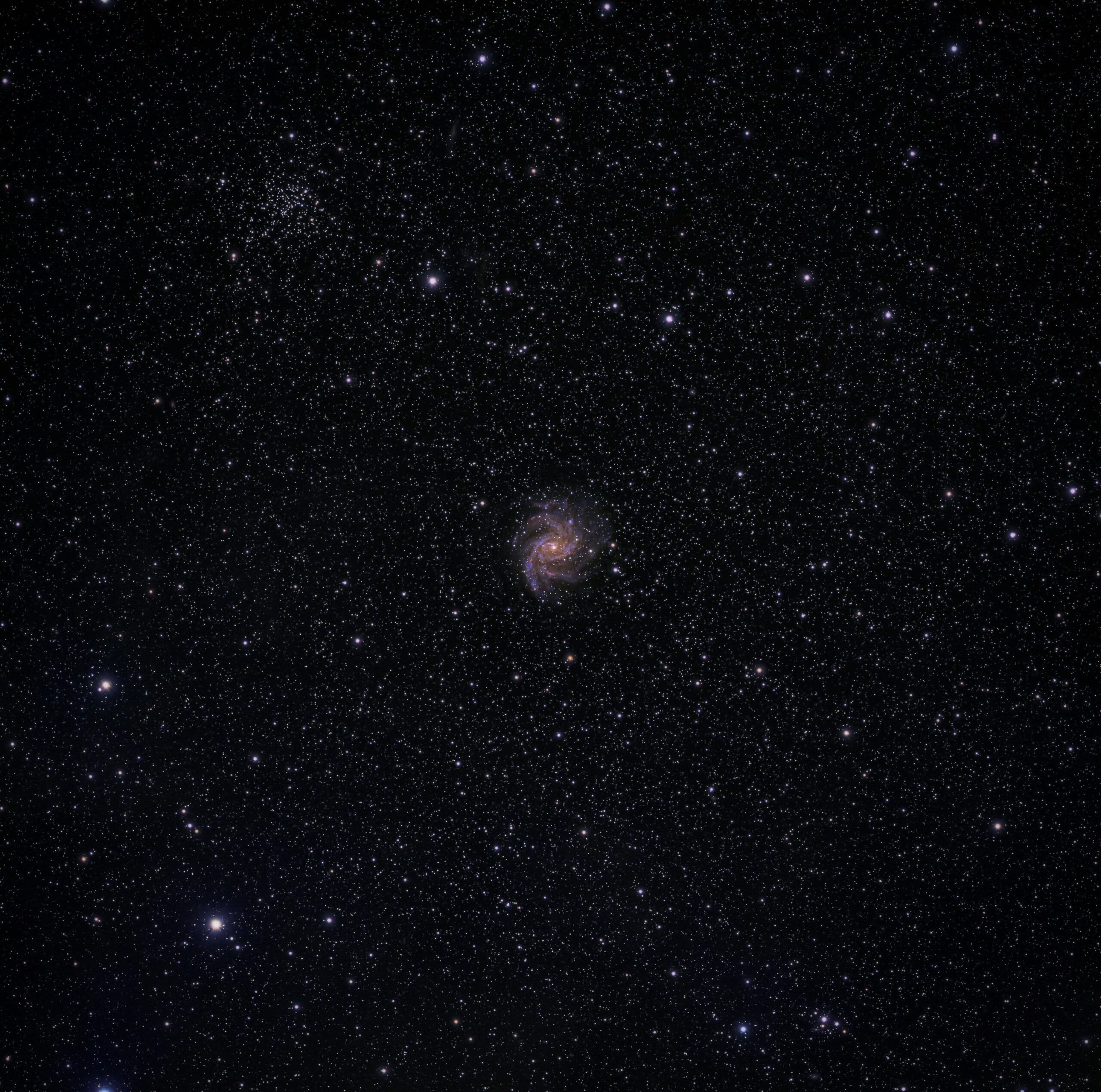
Cosmic rays represent one of the universe’s most fascinating and powerful phenomena, continuously bombarding planetary atmospheres with high-energy particles that fundamentally alter atmospheric chemistry and structure.

These energetic particles, traveling at nearly the speed of light, originate from various cosmic sources including supernovae, active galactic nuclei, and even our own Sun. As they interact with atmospheric molecules, cosmic rays initiate cascades of secondary particles that can influence everything from cloud formation to the evolution of life itself. Understanding how these invisible forces shape planetary environments is crucial for comprehending atmospheric dynamics not only on Earth but throughout the cosmos.
🌌 What Are Cosmic Rays and Where Do They Come From?
Cosmic rays are not actually rays in the traditional sense, but rather highly energetic particles—primarily protons, along with atomic nuclei and electrons—that travel through space at relativistic speeds. These particles carry energies ranging from millions to trillions of electron volts, making them some of the most energetic phenomena in the universe.
The origins of cosmic rays have puzzled scientists since their discovery in 1912 by physicist Victor Hess. Today, we understand that they come from multiple sources across the universe. Galactic cosmic rays originate primarily from supernova remnants—the explosive deaths of massive stars that accelerate particles to extraordinary energies through shock wave mechanisms. Extragalactic cosmic rays, the most energetic subset, likely originate from active galactic nuclei powered by supermassive black holes.
Solar cosmic rays represent a more local source, generated during solar flares and coronal mass ejections when our Sun’s magnetic field lines reconnect violently. While less energetic than their galactic counterparts, solar cosmic rays can significantly impact planetary atmospheres during periods of intense solar activity.
The Journey Through Space: How Cosmic Rays Navigate the Universe
As cosmic rays traverse the vast distances of interstellar and intergalactic space, they follow complex trajectories influenced by magnetic fields. Unlike photons that travel in straight lines, charged cosmic ray particles spiral along magnetic field lines, their paths twisted and deflected countless times before reaching any given destination.
The galactic magnetic field acts as both a confining force and a barrier, trapping lower-energy cosmic rays within our galaxy while allowing the most energetic particles to escape into intergalactic space. This magnetic confinement explains why galactic cosmic rays appear to arrive at Earth from all directions rather than pointing back to specific sources.
Our solar system possesses its own protective magnetic bubble called the heliosphere, created by the solar wind streaming outward from the Sun. This magnetic shield modulates the flux of galactic cosmic rays reaching the inner solar system, with cosmic ray intensity varying inversely with solar activity—when the Sun is most active, fewer galactic cosmic rays penetrate to Earth’s orbit.
⚡ The Solar Modulation Effect
Solar modulation creates an approximately 11-year cycle in cosmic ray intensity corresponding to the solar cycle. During solar maximum, when the Sun’s magnetic field is strongest and most complex, galactic cosmic ray flux at Earth decreases by up to 20-30%. Conversely, during solar minimum, more cosmic rays reach the inner solar system, potentially influencing atmospheric processes and climate patterns.
Atmospheric Interactions: The Cosmic Ray Cascade
When a high-energy cosmic ray particle enters a planetary atmosphere, it initiates an extraordinary chain reaction known as an air shower or cosmic ray cascade. This process transforms a single primary particle into millions of secondary particles through successive collisions with atmospheric molecules.
The cascade begins when the primary cosmic ray collides with an atmospheric nucleus, typically nitrogen or oxygen in Earth-like atmospheres. This collision produces a spray of secondary particles including pions, kaons, and other mesons. These unstable particles quickly decay, producing muons, electrons, positrons, and gamma rays that continue propagating downward.
As the cascade develops, it spreads laterally across several kilometers while penetrating deeper into the atmosphere. The most energetic cosmic rays can generate air showers containing billions of particles that reach ground level. For lower-energy cosmic rays, the cascade dissipates at higher altitudes as particles lose energy through ionization and other interactions.
Ionization: The Primary Atmospheric Effect
The most significant impact of cosmic rays on planetary atmospheres is ionization—the process of stripping electrons from molecules to create charged ions and free electrons. Cosmic ray ionization affects atmospheric chemistry, electrical properties, and potentially cloud formation processes.
In Earth’s atmosphere, cosmic rays are the dominant source of ionization at altitudes between approximately 10 and 50 kilometers, encompassing the stratosphere and parts of the mesosphere. This cosmic ray ionization zone plays crucial roles in atmospheric electricity, contributing to the global electric circuit that connects thunderstorms, fair weather regions, and the ionosphere.
🌍 Earth’s Atmosphere: A Case Study in Cosmic Ray Influence
Earth provides our most detailed laboratory for studying cosmic ray effects on planetary atmospheres. Decades of measurements and modeling have revealed numerous ways these energetic particles influence atmospheric processes and potentially affect climate.
Cosmic ray ionization in the stratosphere and upper troposphere creates ions that can serve as condensation nuclei for cloud formation. The hypothesis that cosmic ray flux variations might influence cloud cover and thereby affect climate has generated considerable scientific debate. While correlations between cosmic ray intensity and low cloud cover have been observed in some datasets, establishing causation remains challenging.
Recent atmospheric physics research has demonstrated that cosmic ray ionization can enhance aerosol nucleation—the formation of new particles from gaseous precursors. These newly formed particles can grow into cloud condensation nuclei under favorable conditions, potentially linking cosmic ray variations to cloud properties and precipitation patterns.
Ozone Chemistry and Cosmic Rays
Cosmic rays influence stratospheric ozone chemistry through multiple pathways. The ions and free radicals produced by cosmic ray ionization can participate in catalytic ozone destruction cycles, particularly at polar latitudes where cosmic ray flux is highest due to Earth’s magnetic field geometry. During periods of increased cosmic ray flux, measurable decreases in stratospheric ozone concentrations have been observed, though these effects are typically smaller than those caused by anthropogenic chlorofluorocarbons.
The production of nitrogen oxides (NOx) and hydrogen oxides (HOx) through cosmic ray ionization represents another connection to ozone chemistry. These reactive species participate in ozone destruction cycles, with their production rates directly linked to cosmic ray intensity variations throughout the solar cycle.
Mars: An Unshielded Atmosphere Under Cosmic Bombardment
Mars presents a dramatically different case study in cosmic ray atmospheric interactions. Without a global magnetic field and possessing only a thin atmosphere, Mars experiences cosmic ray fluxes at its surface that are hundreds of times higher than those at Earth’s surface.
This intense cosmic ray environment has profound implications for Martian atmospheric chemistry and evolution. Cosmic ray ionization drives chemical reactions in the thin Martian atmosphere, producing oxidizing species that may contribute to the planet’s rust-red color and the highly oxidized nature of its surface regolith.
Measurements from Mars rovers and orbiters have revealed that cosmic ray doses at the Martian surface pose significant challenges for future human exploration. Understanding how cosmic rays interact with the Martian atmosphere is essential for developing radiation protection strategies and assessing the planet’s habitability potential.
Atmospheric Escape and Cosmic Ray Sputtering
Cosmic rays may have contributed to Mars’ atmospheric loss over geological timescales. When cosmic ray particles collide with atmospheric molecules, they can impart sufficient energy to eject atoms into space—a process called sputtering. While solar wind sputtering is generally considered the dominant atmospheric escape mechanism on present-day Mars, cosmic ray sputtering may have played a more significant role earlier in Martian history.
🪐 Gas Giant Atmospheres: Cosmic Rays in Alien Environments
The massive atmospheres of gas giant planets like Jupiter and Saturn experience cosmic ray interactions on scales vastly different from terrestrial planets. These planets’ strong magnetic fields trap charged particles in radiation belts that dwarf Earth’s Van Allen belts, creating complex interactions between cosmic rays, magnetospheric particles, and atmospheric constituents.
Jupiter’s powerful magnetic field deflects lower-energy cosmic rays while channeling higher-energy particles toward the polar regions. Observations of Jupiter’s auroras reveal intense particle precipitation events that deposit enormous amounts of energy into the upper atmosphere, driving chemistry and creating spectacular light displays visible even from Earth.
In the deeper atmospheric layers of gas giants, cosmic ray ionization influences cloud formation and atmospheric electricity. The ionization rates in Jupiter’s atmosphere affect the conductivity structure, potentially influencing lightning generation and the distribution of chemical species including ammonia, water, and hydrocarbons.
Exoplanetary Atmospheres: Extending Our Understanding Beyond the Solar System
As astronomers discover thousands of exoplanets orbiting distant stars, questions about cosmic ray effects on their atmospheres become increasingly relevant. Planets orbiting different stellar types, at various distances, and with diverse magnetic field configurations will experience vastly different cosmic ray environments.
Planets orbiting M-dwarf stars—the most common stellar type in the galaxy—may experience particularly intense cosmic ray environments due to frequent stellar flares that accelerate particles to high energies. These stellar cosmic rays could significantly impact atmospheric chemistry and potentially affect habitability by damaging biological molecules and altering atmospheric composition.
Hot Jupiters, gas giant planets orbiting extremely close to their host stars, experience cosmic ray environments dominated by stellar particles. The intense stellar radiation and particle flux at these close orbital distances can drive atmospheric escape, gradually eroding planetary atmospheres over time.
🔭 Detecting Cosmic Ray Signatures in Exoplanet Atmospheres
Future space telescopes may enable indirect detection of cosmic ray effects on exoplanetary atmospheres by observing chemical signatures produced by cosmic ray-driven reactions. Unusual abundances of nitrogen oxides, organic molecules, or other species might indicate intense cosmic ray processing. Such observations would provide valuable constraints on exoplanet magnetic field strengths and stellar activity levels.
Climate Connections: The Controversial Link Between Cosmic Rays and Planetary Climate
The hypothesis that cosmic ray variations influence planetary climate has generated intense scientific debate over the past two decades. The proposed mechanism involves cosmic ray modulation of cloud cover through ionization-enhanced aerosol formation, potentially creating a link between solar activity, cosmic rays, and climate.
Proponents point to correlations between cosmic ray flux and various climate proxies over geological timescales, including correlations between cosmic ray exposure markers in geological records and ice age cycles. The CLOUD experiment at CERN has demonstrated that ionization can enhance aerosol nucleation under laboratory conditions, providing a plausible physical mechanism.
Critics note that observed correlations do not necessarily indicate causation and that the magnitude of cosmic ray effects appears insufficient to drive major climate changes. The Sun influences Earth’s climate through multiple pathways—direct radiative forcing, ultraviolet variations affecting stratospheric ozone, and solar wind modulation of cosmic rays—making it challenging to isolate cosmic ray contributions.
Biological Implications: Cosmic Rays and the Evolution of Life
Cosmic rays represent a persistent source of ionizing radiation that has influenced biological evolution throughout Earth’s history. These energetic particles cause DNA damage, generate mutations, and may have played roles in both destroying and fostering life on our planet.
During Earth’s early history, before the development of a protective ozone layer, cosmic ray doses at the surface would have been significantly higher than today. This intense radiation environment may have influenced the evolution of early life forms, selecting for organisms with effective DNA repair mechanisms and driving evolutionary innovations.
Conversely, cosmic ray-induced mutations contribute to genetic diversity, providing raw material for natural selection. Some researchers have speculated that variations in cosmic ray flux associated with our solar system’s passage through different galactic environments might correlate with biodiversity changes in the fossil record, though such connections remain speculative.
🛰️ Technological Impacts: How Cosmic Rays Affect Space-Based Systems
Beyond their atmospheric effects, cosmic rays pose significant challenges for space-based technology and human space exploration. Single event upsets—computer memory errors caused by cosmic ray strikes—affect satellites, spacecraft, and even high-altitude aircraft electronics.
Spacecraft designers must account for cosmic ray radiation when developing electronics for space missions. Radiation-hardened components, error-correcting codes, and redundant systems help mitigate cosmic ray effects, but these protections add weight, complexity, and cost to space missions.
For human space exploration beyond Earth’s protective magnetic field, cosmic ray radiation represents perhaps the most significant health challenge. Long-duration missions to Mars or other destinations require innovative radiation shielding solutions and possibly pharmaceutical countermeasures to protect astronauts from cumulative cosmic ray exposure.
Future Directions: Unraveling Remaining Mysteries
Despite decades of research, cosmic rays continue to harbor mysteries that challenge our understanding of atmospheric physics and planetary evolution. The precise mechanisms by which cosmic rays influence cloud formation remain incompletely understood, requiring continued experimental and observational work.
Future missions to Mars, Venus, and the outer planets will provide new opportunities to study cosmic ray atmospheric interactions across diverse planetary environments. Advanced instruments can measure cosmic ray fluxes, atmospheric ionization rates, and chemical composition with unprecedented precision, testing theoretical predictions and revealing unexpected phenomena.
The study of cosmic ray effects on exoplanetary atmospheres represents an emerging frontier that will expand dramatically as next-generation telescopes come online. Understanding how cosmic rays shape atmospheric evolution across the universe will inform our assessment of planetary habitability and guide the search for life beyond Earth.
⚡ The Universal Significance of Cosmic Ray Atmospheric Interactions
Cosmic rays serve as universal agents of atmospheric transformation, linking stellar processes to planetary environments across the cosmos. From Earth’s familiar skies to the exotic atmospheres of distant exoplanets, these energetic particles drive chemistry, influence climate, and shape the conditions for life.
As our observational capabilities expand and our theoretical understanding deepens, the mysteries of cosmic ray atmospheric interactions gradually yield to scientific investigation. Yet each answer generates new questions, revealing the profound complexity of the universe and our place within it. The ongoing study of how cosmic rays shape planetary atmospheres reminds us that Earth exists not in isolation but as an integral part of a dynamic, interconnected cosmos where distant stellar explosions influence the air we breathe and the clouds overhead.