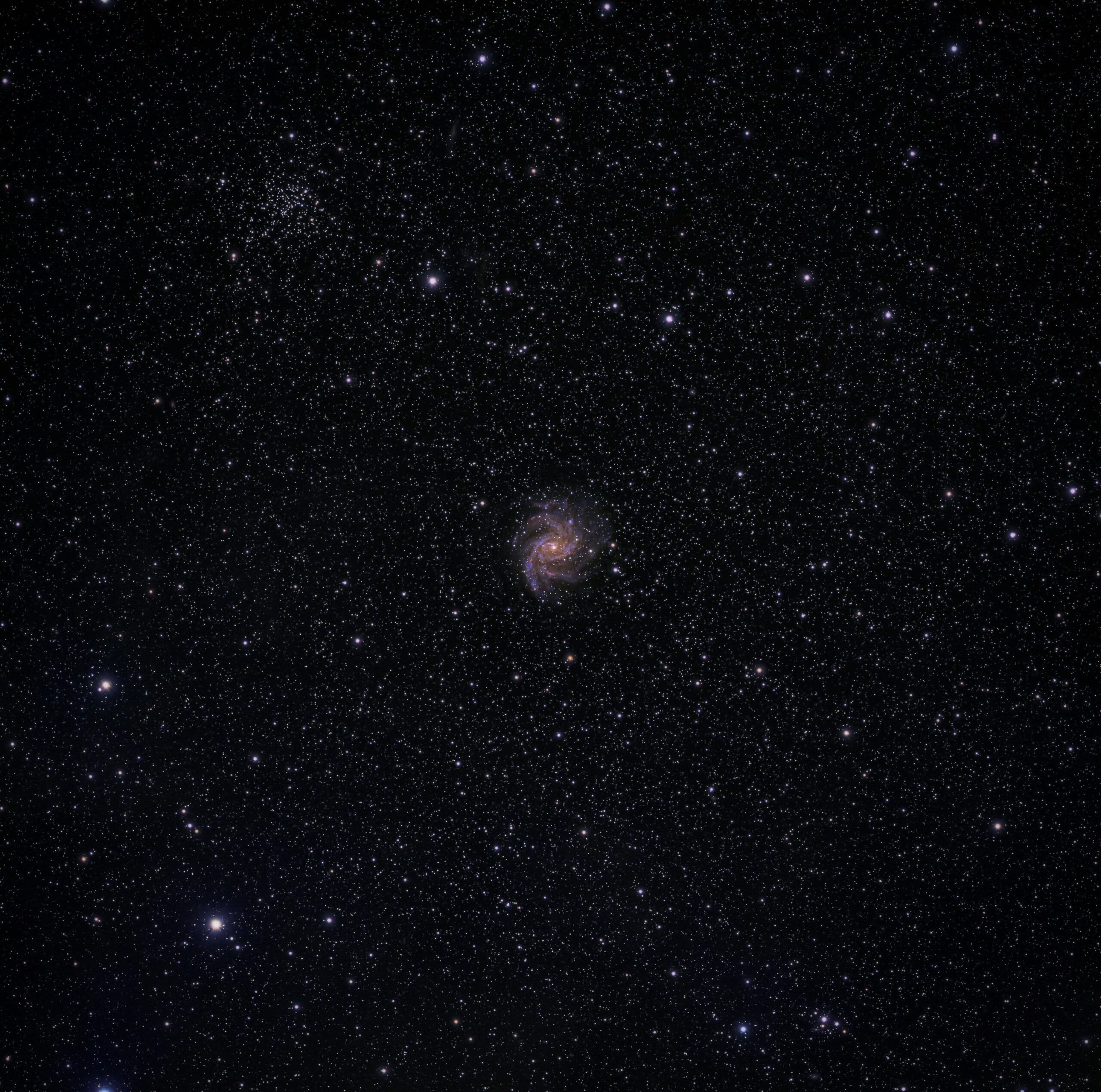
The universe stretches beyond our imagination, harboring countless worlds that challenge our understanding of life itself. As we peer deeper into the cosmos, we’re discovering that the chemistry of alien worlds may hold the key to understanding life’s universal potential.

From methane-rich atmospheres to subsurface oceans beneath icy crusts, exoplanets present a dazzling array of chemical environments. Scientists are now piecing together how these distant worlds might support biology fundamentally different from anything we’ve encountered on Earth, pushing the boundaries of astrobiology into unexplored territory.
🔬 The Chemical Building Blocks of Alien Life
When we think about life on other planets, we must first understand that chemistry dictates what’s possible. On Earth, carbon-based molecules form the backbone of all known organisms, but this terrestrial bias might be limiting our cosmic perspective. Astrobiologists now explore whether silicon, which shares chemical properties with carbon, could serve as an alternative foundation for life in environments where carbon remains scarce or unstable.
The elements essential for Earth life—carbon, hydrogen, nitrogen, oxygen, phosphorus, and sulfur—are abundant throughout the universe. However, their availability in accessible forms varies dramatically across different planetary environments. On exoplanets orbiting red dwarf stars, for instance, ultraviolet radiation patterns differ significantly from our Sun, potentially favoring different photochemical reactions that could generate alternative biochemical pathways.
Water remains central to our search for life, yet astrobiological chemistry now considers alternatives. Liquid methane on Titan, ammonia-water mixtures in subsurface oceans, or even supercritical carbon dioxide could theoretically serve as solvents for biochemical reactions. Each alternative solvent would necessitate entirely different molecular architectures for living systems, fundamentally reshaping what we consider “alive.”
Atmospheric Chemistry as a Life Detection Tool 🌍
The atmosphere of an exoplanet serves as a chemical fingerprint, potentially revealing biological activity from light-years away. When James Webb Space Telescope analyzes starlight passing through exoplanetary atmospheres, it detects specific molecular signatures that tell compelling stories about the worlds below. Oxygen, methane, and phosphine—gases that on Earth are predominantly produced by living organisms—become our primary targets in the search for alien biosignatures.
However, interpreting these atmospheric signals requires sophisticated understanding of abiotic processes that can mimic biological activity. Photochemistry driven by stellar radiation, volcanic outgassing, and complex atmospheric dynamics can all produce molecules we associate with life. This is where astrobiological chemistry becomes detective work, requiring scientists to distinguish between geological and biological origins for observed compounds.
The concept of biosignature gases has evolved considerably. Rather than seeking single “smoking gun” molecules, researchers now look for atmospheric disequilibrium—chemical combinations that shouldn’t coexist without constant replenishment. On Earth, oxygen and methane together represent such disequilibrium, as these gases react and would disappear without continuous biological production. Finding similar imbalances on exoplanets could indicate active metabolisms maintaining atmospheric chemistry against thermodynamic gradients.
Spectroscopic Analysis and Chemical Detection
Modern spectroscopy allows us to dissect exoplanetary atmospheres molecule by molecule. When electromagnetic radiation passes through an atmosphere, specific wavelengths are absorbed by different compounds, creating distinct spectral signatures. Sophisticated instruments can detect water vapor, carbon dioxide, methane, ammonia, and even more complex organic molecules at distances spanning hundreds of light-years.
The sensitivity of these measurements has improved exponentially. Instruments like JWST can potentially detect biosignature concentrations measured in parts per billion, opening possibilities for discovering life even if it exists at lower abundances than on Earth. This technological leap transforms astrobiological chemistry from theoretical speculation into an observational science with concrete, testable predictions.
🪐 Extreme Chemistry: Life in Unlikely Places
Our exploration of extreme environments on Earth has revolutionized thinking about where life might exist elsewhere. Organisms thriving in acidic hot springs, radiation-saturated environments, and deep ocean vents demonstrate that life adapts to conditions once considered absolutely prohibitive. This knowledge expands the chemical parameter space we consider habitable when evaluating exoplanets.
Consider the sulfur-rich atmosphere of a hypothetical exoplanet orbiting close to its star. While toxic to most Earth life, sulfur-based biochemistry could theoretically operate at high temperatures, using sulfur compounds where we use oxygen for energy metabolism. Such organisms might respire sulfur dioxide or hydrogen sulfide, producing entirely different waste products and creating atmospheric signatures unlike anything in our solar system.
Extremophile research on Earth provides templates for alien biochemistry. Thermophiles use heat-stable proteins and membrane lipids that remain functional above water’s boiling point. Psychrophiles produce antifreeze proteins and maintain membrane fluidity in subzero conditions. Halophiles balance osmotic pressure in saturated salt solutions. Each adaptation suggests chemical strategies that alien life might employ in environments matching those extreme conditions.
The Titan Paradigm: Methane-Based Chemistry
Saturn’s moon Titan presents perhaps our best local laboratory for alternative biochemistry. With surface temperatures around -179°C, liquid water is essentially rock-hard ice, yet methane and ethane flow in rivers and accumulate in lakes. Scientists have proposed that methane could substitute for water as a solvent, enabling fundamentally different chemistry to support life.
Hypothetical Titan-like organisms might use hydrogen instead of oxygen for respiration, metabolizing acetylene and breathing out methane. Their cell membranes could be constructed from nitrogen-containing compounds called azotosomes, which remain flexible at cryogenic temperatures where phospholipids would freeze solid. While purely speculative, these models demonstrate how life might adapt to radically different chemical conditions on exoplanets with similar environments.
The Role of Stellar Chemistry in Shaping Biological Potential ⭐
The parent star fundamentally shapes the chemistry possible on orbiting planets. Red dwarf stars, the most common stellar type, emit predominantly infrared radiation with frequent flaring activity. This radiation environment affects atmospheric photochemistry, potentially driving different prebiotic chemical networks than solar-type stars. Planets in these systems might develop unique organic chemistry pathways, leading to biochemistry distinct from Earth’s template.
Ultraviolet radiation plays crucial roles in both creating and destroying organic molecules. Moderate UV flux drives photochemical reactions that synthesize complex organics from simple atmospheric gases—a process essential for prebiotic chemistry. However, excessive UV radiation breaks down these same molecules and damages genetic material. The delicate balance between these constructive and destructive processes varies dramatically depending on stellar type and planetary atmospheric composition.
Stellar metallicity—the abundance of elements heavier than hydrogen and helium—also influences planetary chemistry. Stars with higher metallicity tend to host planets richer in the heavy elements essential for complex chemistry. Carbon, nitrogen, and oxygen abundances in planetary systems directly correlate with stellar composition, affecting the raw materials available for building biochemical complexity.
🧪 Prebiotic Chemistry and the Origins Question
Understanding how life originates from non-living chemistry remains one of science’s greatest challenges. The transition from simple organic molecules to self-replicating systems capable of evolution involves crossing a threshold we’ve never observed in real-time. Astrobiological chemistry approaches this question by asking: under what planetary conditions do chemical networks spontaneously increase in complexity?
The famous Miller-Urey experiment demonstrated that simple atmospheric gases subjected to energy sources produce amino acids and other organic building blocks. Modern prebiotic chemistry has expanded these findings, showing that diverse energy sources—lightning, volcanic heat, ultraviolet light, cosmic rays—can drive organic synthesis. Each exoplanetary environment offers unique combinations of these factors, potentially supporting multiple independent pathways to biochemical complexity.
Hydrothermal vents present particularly compelling environments for abiogenesis. The chemical gradients at these locations—where hot, mineral-rich fluids meet cooler water—create natural electrochemical cells that could power early metabolic systems. Similar environments might exist in subsurface oceans on icy moons and water-rich exoplanets, providing widespread opportunities for life’s emergence across the galaxy.
RNA World and Alternative Genetic Systems
Earth life uses DNA and RNA as information storage molecules, but these aren’t necessarily universal solutions. Scientists have synthesized xenonucleic acids—XNAs—that can store genetic information using different sugar backbones than ribose and deoxyribose. These molecules might function better than RNA or DNA under certain environmental conditions, suggesting that alien genetics could operate on fundamentally different molecular frameworks.
The chemical properties required for genetic systems include information storage capacity, the ability to self-replicate, and evolvability through mutations. Various molecular systems beyond nucleic acids could theoretically meet these requirements. Peptide nucleic acids, threose nucleic acids, and other alternatives might dominate on worlds where the chemical environment favors their stability and replication over traditional nucleic acids.
Detection Technologies and Future Missions 🔭
The next generation of telescopes and space missions will revolutionize our ability to characterize exoplanetary chemistry. The James Webb Space Telescope already provides unprecedented atmospheric spectra, but upcoming missions like the Nancy Grace Roman Space Telescope and proposed concepts like the Habitable Exoplanet Observatory will dramatically expand our chemical census of distant worlds.
Ground-based extremely large telescopes—facilities with mirrors 30 to 39 meters in diameter—will achieve spectroscopic resolution sufficient to detect subtle biosignature combinations. These instruments will characterize atmospheric chemistry for potentially habitable worlds, searching for the telltale signs of biological disequilibrium that might indicate active life processes.
Direct imaging missions represent the holy grail of exoplanet characterization. By blocking starlight with coronagraphs or starshades, these missions could photograph exoplanets directly, analyzing reflected light for surface chemistry, seasonal variations, and even potential “vegetation” signatures—spectral features indicating photosynthetic or analogous light-harvesting biochemistry.
The Chemical Diversity of Known Exoplanets 🌌
Current observations reveal stunning chemical diversity among detected exoplanets. Hot Jupiters display atmospheric chemistry dominated by high-temperature processes, with titanium and vanadium oxides forming in some atmospheres. These gas giants show no potential for life as we know it, but they inform our understanding of planetary chemistry under extreme conditions.
Super-Earths and mini-Neptunes occupy a size range absent from our solar system, and their chemistry remains largely mysterious. Some likely possess thick hydrogen-helium atmospheres, while others might have lost these envelopes, revealing rocky surfaces with secondary atmospheres. The chemical composition of these intermediate-sized worlds will determine their habitability potential and the biochemical possibilities they might support.
Rocky planets in habitable zones represent our primary targets for biosignature searches. Worlds like TRAPPIST-1e, Proxima Centauri b, and LHS 1140b orbit within temperature ranges potentially compatible with liquid water. Characterizing their atmospheric chemistry will reveal whether they possess conditions suitable for life and, ultimately, whether they show chemical evidence of biological activity.
🧬 Beyond Carbon: Truly Alien Biochemistry
While most astrobiological chemistry focuses on carbon-based systems, serious scientific work explores alternatives. Silicon, which sits directly below carbon on the periodic table, can form complex molecules, though its chemistry differs significantly. Silicon bonds are weaker than carbon bonds at Earth-like temperatures, but at higher temperatures, silicon-based molecules might achieve comparable stability and complexity.
Nitrogen-based chemistry offers another alternative. On worlds with reducing atmospheres rich in nitrogen and hydrogen, complex nitrogen-hydrogen compounds could potentially serve biological functions. Ammonia-based organisms might thrive in environments too cold for water-based life, utilizing chemical pathways completely foreign to terrestrial biochemistry.
The concept of “weird life” challenges our assumptions about biological requirements. Could life exist without cells, using mineral surfaces as scaffolding? Might electromagnetic phenomena in atmospheric layers constitute a form of organization we’d recognize as alive? While speculative, these questions remind us that life’s chemical manifestations might extend far beyond our current imagination.
🎯 The Search Parameters: Focusing Our Chemical Hunt
With thousands of confirmed exoplanets and countless more awaiting discovery, astrobiologists must prioritize targets. Planetary mass, orbital distance, stellar type, and atmospheric composition create a multidimensional parameter space. Worlds most likely to support detectable biosignatures receive scrutiny first, optimizing our limited observational resources.
The habitable zone concept—the range of orbital distances where liquid water could exist on a planetary surface—guides initial selection. However, modern approaches recognize that habitability depends on complex interactions between atmospheric composition, greenhouse effects, albedo, and geological activity. A planet might orbit within the traditional habitable zone but remain lifeless due to unfavorable chemistry, while another outside this zone could support life through alternative chemical pathways.
Tidal heating expands habitability considerations beyond simple stellar illumination. Moons orbiting gas giants, like Europa and Enceladus in our solar system, maintain subsurface liquid oceans through gravitational flexing. Similar scenarios on exomoons could create chemically rich environments conducive to life, even around stars too dim to heat surfaces through radiation alone.
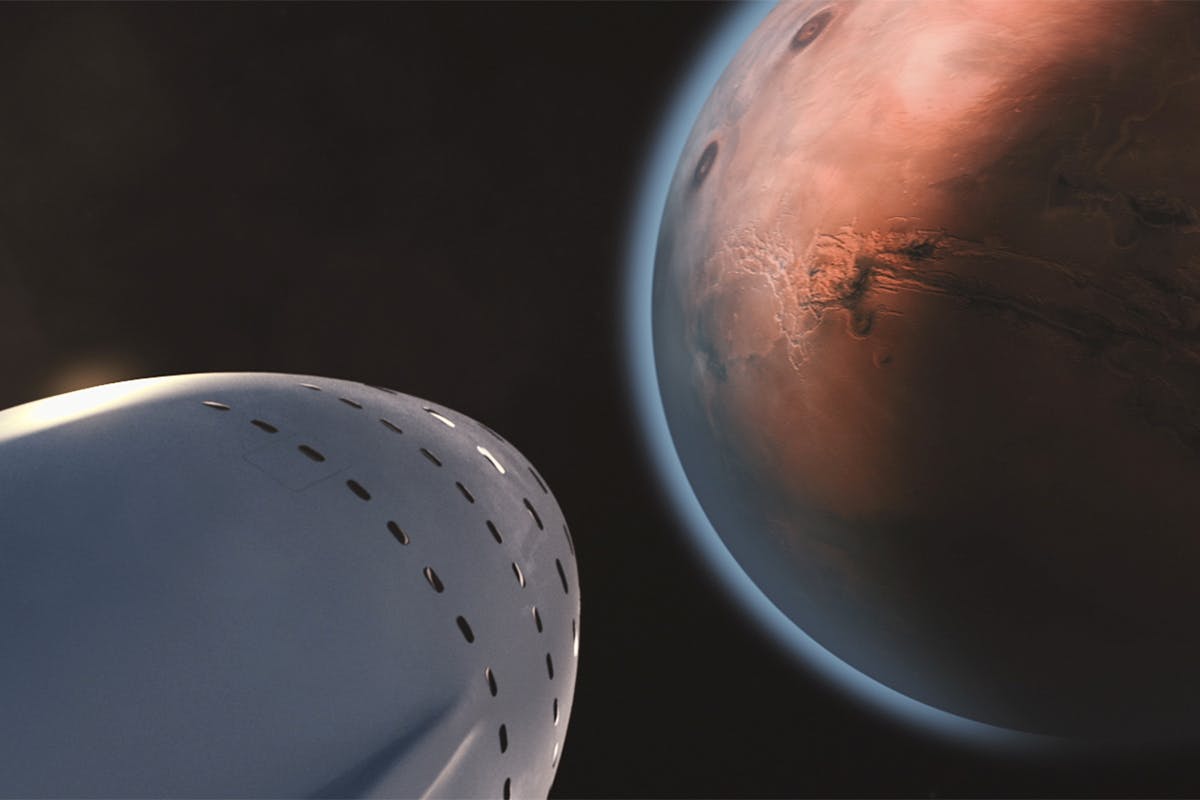
Implications for Humanity’s Cosmic Perspective 🌟
Discovering evidence of life beyond Earth would fundamentally transform our understanding of chemistry’s relationship to biology. If life emerges wherever conditions permit—a common outcome of favorable chemistry—the universe likely teems with organisms. Alternatively, if life remains exceedingly rare despite abundant potentially habitable worlds, we must reconsider the chemical pathways to biological complexity.
The chemical diversity of potential alien life challenges anthropocentrism. Rather than seeking mirror images of Earth life, astrobiological chemistry teaches us to recognize life in its many possible forms. This expanded perspective might prove crucial when we finally encounter definitive biosignatures, ensuring we recognize alien biochemistry even when it operates on entirely different principles.
As our chemical census of exoplanets expands, we’re compiling the data necessary to answer profound questions about life’s place in the cosmos. Each new spectroscopic observation, every detected molecule in a distant atmosphere, adds pieces to a grand puzzle. Through astrobiological chemistry, we’re developing the tools and knowledge to recognize life wherever it exists, whatever chemical form it takes, ultimately unlocking the secrets of alien worlds and revealing our true place in a universe far richer and more diverse than previous generations dared imagine.