
# Pioneering Tomorrow: Exploring the Boundless Potential of Civilian Space Colonies

The dream of humanity living among the stars is no longer confined to science fiction. As technological advancements accelerate and private space companies push boundaries, civilian space colonies are transitioning from fantasy to feasible reality.
Our planet faces unprecedented challenges—from climate change to resource depletion—that compel us to look beyond Earth’s atmosphere. The establishment of civilian space colonies represents not just an escape plan, but an evolutionary leap for our species. These orbital habitats and planetary settlements could become humanity’s insurance policy, ensuring our survival while unlocking economic opportunities that dwarf anything terrestrial commerce has offered.
🚀 The Evolution from Military to Civilian Space Ventures
Space exploration began as a governmental enterprise, driven by Cold War competition and national prestige. The Space Race between the United States and the Soviet Union demonstrated human capability to reach beyond our planetary boundaries, but these efforts remained firmly under government control with military implications.
The landscape has transformed dramatically over recent decades. Private companies like SpaceX, Blue Origin, and Virgin Galactic have democratized access to space, reducing launch costs and proving that commercial ventures can succeed where only nations once tread. This shift has opened the door for civilian participation in space colonization efforts.
Elon Musk’s vision of making humanity a multi-planetary species has captured global imagination, while Jeff Bezos advocates for moving heavy industry off-planet to preserve Earth’s environment. These competing yet complementary visions share a common thread: ordinary citizens will eventually call space home.
Where Will Tomorrow’s Space Citizens Live? 🌍
Lunar Settlements: Earth’s Closest Neighbor
The Moon represents humanity’s most accessible extraterrestrial real estate. Located just three days away by spacecraft, lunar colonies offer several compelling advantages for early civilian settlement. The Moon’s gravity, though only one-sixth of Earth’s, provides enough pull to prevent the severe bone density loss associated with zero-gravity environments.
Water ice discovered in permanently shadowed craters near the lunar poles solves one of colonization’s most critical challenges. This ice can be converted into drinking water, oxygen for breathing, and hydrogen for rocket fuel—making lunar bases potentially self-sufficient.
Underground lava tubes, some large enough to house entire cities, offer natural radiation shielding. These geological formations could become the foundations for thriving civilian communities, protected from cosmic rays and micrometeorites that constantly bombard the lunar surface.
Martian Cities: The Red Planet Renaissance
Mars has captured humanity’s colonization imagination more than any other celestial body. With a day length nearly identical to Earth’s and evidence of ancient water flows, Mars presents the most Earth-like environment in our solar system beyond our home planet.
The Martian atmosphere, though thin and carbon dioxide-rich, provides some radiation protection and resources for fuel production. Subsurface ice deposits could support agriculture and provide water for thousands of colonists. The planet’s lower gravity—38% of Earth’s—strikes a balance between the Moon’s weak pull and the challenges of zero-gravity.
Establishing civilian colonies on Mars would require massive infrastructure investment, but the payoff could be extraordinary. A Martian civilization could become humanity’s backup, ensuring our species survives even catastrophic Earth-based events.
Orbital Habitats: Space Cities in the Void
Rotating space stations that generate artificial gravity through centrifugal force represent another colonization pathway. These massive structures, inspired by concepts from physicists like Gerard O’Neill, could house tens of thousands of civilians in Earth-like comfort without requiring planetary surfaces.
Orbital colonies offer unique advantages: abundant solar energy, easy access to asteroid resources, and customizable environments. Unlike planetary surfaces, these habitats can be designed from scratch to optimize human health and happiness.
The Economic Engine of Space Colonization 💰
Economic viability will ultimately determine whether civilian space colonies thrive or remain expensive curiosities. Fortunately, space offers resources that could generate wealth on unprecedented scales.
Asteroid mining represents perhaps the most lucrative near-term opportunity. A single metallic asteroid could contain more platinum-group metals than humanity has ever mined on Earth, with values potentially reaching trillions of dollars. Space colonies positioned near asteroid belts would have strategic advantages in this emerging industry.
Manufacturing in microgravity environments enables production processes impossible on Earth. Perfectly spherical ball bearings, flawless fiber optic cables, and revolutionary pharmaceuticals can be manufactured more effectively in space. Civilian colonies would naturally become hubs for this specialized production.
Space tourism, already nascent with suborbital flights, will mature into a substantial industry. Hotels in orbit or on the Moon could cater to wealthy tourists initially, but economies of scale will eventually make space travel accessible to broader populations—much as air travel evolved from luxury to commonplace.
🔬 Technology Bridging the Gap to Space Living
Life Support Systems: Creating Earth Away from Earth
Closed-loop life support systems represent the technological cornerstone of space colonization. These systems recycle air, water, and waste with remarkable efficiency, mimicking Earth’s natural cycles in compact, engineered environments.
The International Space Station has demonstrated that humans can live indefinitely in space with proper life support. Future civilian colonies will refine these technologies, incorporating biological components like algae and plants that convert carbon dioxide to oxygen while providing food.
Advanced water recycling systems already recover 90% of water from all sources, including sweat and urine. Future generations of this technology will approach 100% efficiency, making water scarcity virtually unknown in properly designed space habitats.
Artificial Gravity and Health Maintenance
Extended zero-gravity exposure causes bone density loss, muscle atrophy, and cardiovascular problems. These health challenges must be solved before permanent civilian populations can thrive in space.
Rotating habitats that simulate gravity through centrifugal force offer one solution. Research continues into what minimum rotation rate humans can tolerate without motion sickness, with current data suggesting that large enough structures can provide Earth-like gravity comfortably.
Pharmaceutical interventions, targeted exercise regimens, and perhaps genetic modifications may help humans adapt to lower-gravity environments like Mars or the Moon, where rotating habitats aren’t practical for surface colonies.
In-Situ Resource Utilization: Living Off the Land
Transporting materials from Earth remains prohibitively expensive for large-scale colonization. In-situ resource utilization (ISRU)—using local materials to support human presence—is essential for sustainable civilian colonies.
On the Moon, regolith can be processed into construction materials, while ice provides water and propellant. Mars offers carbon dioxide for fuel production and minerals for manufacturing. Asteroids contain metals, water, and potentially organic compounds.
3D printing technology combined with local materials enables colonists to manufacture tools, spare parts, and even habitat expansions without Earth support. This capability transforms space colonies from dependent outposts into self-sufficient communities.
Daily Life Among the Stars: What to Expect 🌟
Civilian life in space colonies will differ dramatically from Earth existence, yet colonists will strive to maintain cultural connections and create fulfilling lives.
Housing in space colonies will prioritize efficiency and psychological well-being. Personal quarters may be smaller than Earth standards initially, but communal spaces could be vast and beautifully designed. Virtual reality technology might provide psychological escape, allowing colonists to “visit” Earth landscapes or impossible fantasy worlds.
Food production will combine hydroponics, aeroponics, and possibly cultured meat. Fresh vegetables grown under LED lights could become dietary staples, supplemented by packaged foods from Earth during early colonization phases. Eventually, space-grown food may develop unique flavors influenced by different growing conditions.
Work in space colonies will span diverse sectors: habitat maintenance, resource extraction, scientific research, manufacturing, education, healthcare, and entertainment. Colonists will need broad skill sets, as specialized expertise becomes more valuable when you can’t easily import experts from Earth.
Social structures will evolve uniquely in space environments. The isolation and danger may create tight-knit communities with strong mutual support systems. Governance models might experiment with direct democracy or consensus-based decision-making, given smaller population sizes and shared survival stakes.
🧬 Biological Adaptation to Extraterrestrial Environments
Humans evolved for Earth’s specific conditions—its gravity, atmospheric pressure, radiation environment, and day-night cycles. Long-term space residence will challenge these biological assumptions.
Children born in space colonies represent unknown territory. How will development differ in reduced gravity? Will Mars-born children ever be able to visit Earth, or would our planet’s gravity be dangerously strong for their bodies? These questions demand answers before establishing permanent civilian populations.
Radiation exposure remains among the most serious health challenges. Earth’s magnetic field and atmosphere shield us from cosmic rays and solar radiation that bombard unprotected space environments. Colonies will require shielding through thick regolith layers, water walls, or perhaps magnetic field generators.
Genetic engineering may eventually allow humans to better tolerate space conditions. Enhanced DNA repair mechanisms could counteract radiation damage, while modifications to bone and muscle metabolism might prevent deterioration in low gravity. These interventions raise profound ethical questions about what it means to remain human.
Legal and Ethical Frameworks for Space Societies ⚖️
Current space law, primarily the Outer Space Treaty of 1967, establishes that no nation can claim sovereignty over celestial bodies. This framework was designed for governmental space programs, not civilian colonies seeking to establish permanent communities.
Who governs space colonies? Will they be extensions of Earth nations, or will they develop independent governance? Property rights in space remain ambiguous—can colonists own land, or merely use it? These legal uncertainties must be resolved to provide the stability that civilian investment and immigration require.
Resource extraction rights pose particular challenges. If asteroid mining generates enormous wealth, how should benefits be distributed? Should space resources be considered “common heritage of mankind,” or can they be claimed by those who invest in extraction?
Environmental ethics extend beyond Earth. Should Mars be preserved as a pristine scientific laboratory, or is terraforming justified to create Earth-like conditions? What obligations do we have to potential microbial life that might exist in subsurface ice deposits?
🎓 Education and Culture in Space Communities
Children growing up in space colonies will experience childhoods radically different from Earth counterparts. Education systems must prepare them for both their unique environments and potential futures back on Earth.
Science and engineering will naturally receive emphasis, as technical knowledge directly relates to survival. However, humanities, arts, and philosophy remain crucial for psychological health and cultural continuity. Virtual reality could provide educational experiences impossible in confined habitats.
Cultural evolution in space colonies will be fascinating to observe. Will colonies develop distinct identities, dialects, and traditions? Isolation breeds cultural divergence; lunar, Martian, and orbital populations might develop as distinctly as Earth’s cultures did throughout history.
Maintaining connections with Earth will be psychologically important, especially early in colonization. Communication delays—from seconds for the Moon to 20+ minutes for Mars—will shape social relationships and information exchange. Colonists may develop asynchronous communication cultures where delayed responses become normal.
The Timeline: When Will This Future Arrive? 📅
Predicting technological timelines is notoriously unreliable, but current trajectories suggest realistic milestones for civilian space colonization.
Within the next decade, permanent lunar bases with rotating crews seem probable. These early outposts will remain small and primarily research-focused, but they’ll establish crucial infrastructure and operational knowledge.
By the 2040s, hundreds of people might live off-world in various capacities—scientists, engineers, support staff, and perhaps the first true civilians not directly employed by space agencies or corporations. These pioneers will test technologies and social systems that enable larger populations.
By mid-century, the first true civilian colonies—communities where families live, children are born, and people pursue diverse careers—might exist. These settlements could number thousands of inhabitants across multiple locations.
Beyond 2075, space colonies might achieve genuine self-sufficiency, no longer dependent on Earth for survival. At this point, humanity becomes truly multi-planetary, with space populations pursuing their own destinies while maintaining cultural and economic ties to Earth.
🌈 Challenges That Must Be Overcome
Despite tremendous potential, civilian space colonization faces formidable obstacles that shouldn’t be minimized.
Cost remains the primary barrier. Launch expenses have decreased dramatically, but transporting people and equipment to space still costs thousands of dollars per kilogram. Until costs drop further, only governments and wealthy corporations can afford colonization efforts.
Health risks from radiation exposure, reduced gravity, and psychological stress in confined environments may prove more difficult to mitigate than optimists anticipate. Long-term health data from actual space residents remains limited.
Political instability on Earth could derail colonization efforts. Economic crises, wars, or shifts in governmental priorities might redirect resources away from space programs just when sustained investment is crucial.
Technical failures in early colonies could be catastrophic, both for colonists and for public support of colonization efforts. A high-profile disaster might set the movement back decades, as the Challenger explosion temporarily did for NASA.
Why the Investment Is Worth It 💡
Despite challenges, establishing civilian space colonies represents one of humanity’s most worthwhile endeavors, offering benefits that justify enormous investment and risk.
Species survival constitutes the ultimate argument. Earth faces existential risks from asteroid impacts, supervolcanic eruptions, nuclear war, pandemics, and climate change. Space colonies provide insurance against planetary catastrophes, ensuring human civilization survives even worst-case scenarios.
Scientific advancement accelerates when humans live and work in space environments. Research in materials science, medicine, physics, and biology benefits from perspectives and capabilities unique to space laboratories.
Economic returns from space resources and manufacturing could dwarf terrestrial industries. The first trillionaire may emerge from space commerce, and that wealth could fund further expansion and benefit Earth through investment and technology transfer.
Philosophical and inspirational value shouldn’t be dismissed. Space colonization represents human ambition and capability at its finest, inspiring new generations to pursue science, engineering, and exploration. The knowledge that humans live beyond Earth fundamentally changes how we view ourselves and our place in the cosmos.
🚀 Your Role in This Future
Civilian space colonization isn’t solely for astronauts, engineers, and billionaires. This future requires participation from people across all backgrounds and skillsets.
Supporting space-focused education initiatives helps develop the workforce that will design, build, and inhabit these colonies. STEM education advocacy, particularly for underrepresented groups, expands the talent pool and ensures diverse perspectives shape our space-faring future.
Political engagement matters enormously. Voting for representatives who support space exploration funding and sensible space policy makes governmental support more sustainable. Public enthusiasm for space translates into political will.
For those with appropriate skills, careers in the emerging space industry are increasingly accessible. Aerospace companies, both traditional and startup, actively hire engineers, technicians, and support personnel. The space workforce will grow exponentially as colonization efforts accelerate.
Even those who never leave Earth participate in the space economy as consumers of space-derived technologies, data, and eventually, products. GPS, satellite communications, and Earth observation already demonstrate space technology’s terrestrial value.
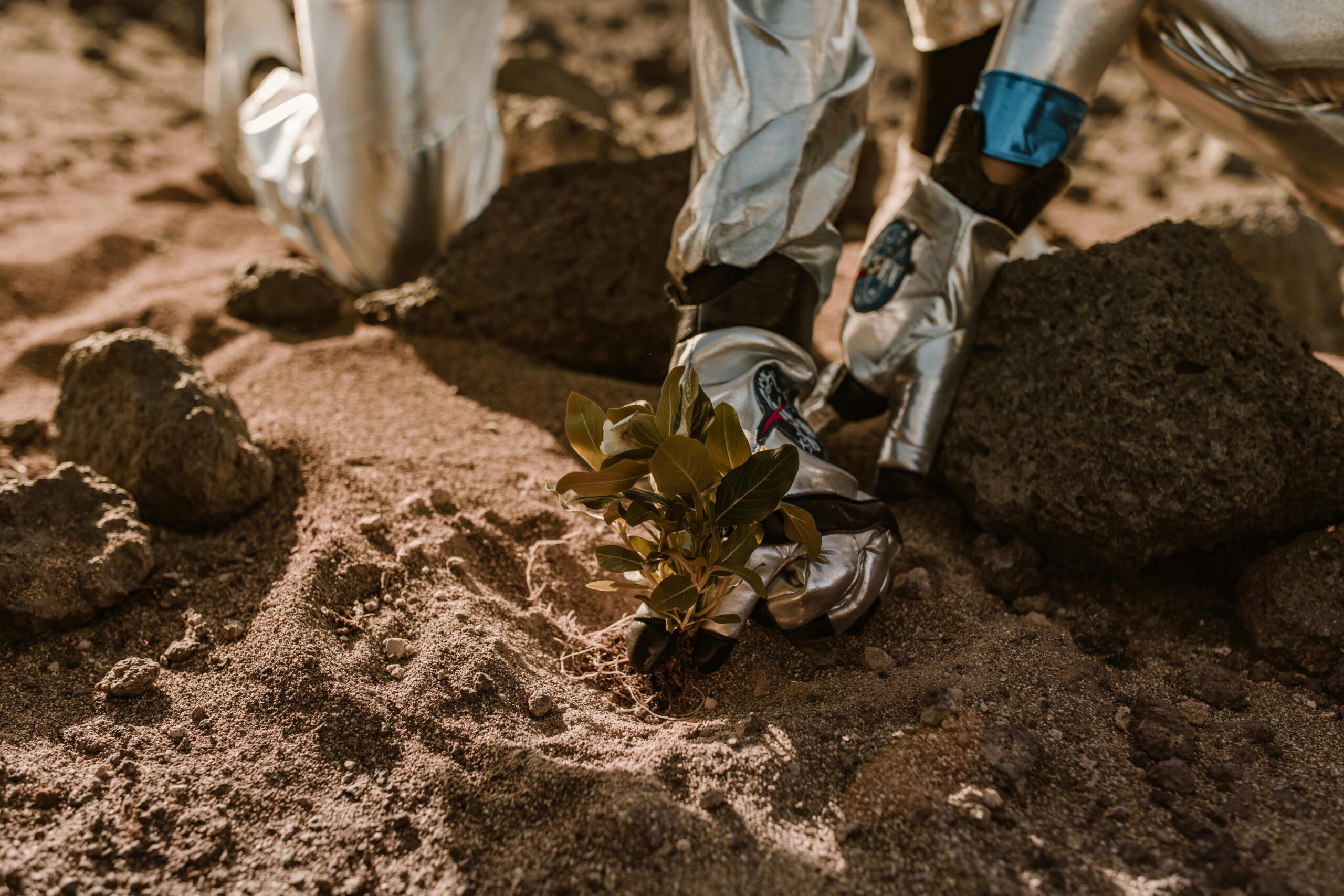
The Dawn of a Multi-World Civilization 🌍🌙🔴
We stand at a unique moment in human history. For the first time, the technology, knowledge, and economic capability exist to establish permanent human presence beyond Earth. The transition from Earthbound species to space-faring civilization is beginning.
Civilian space colonies will transform from science fiction to science fact within many current readers’ lifetimes. Children born today may retire on Mars or in orbital habitats, looking back at Earth from homes among the stars.
This transformation won’t happen automatically or easily. It requires sustained commitment, substantial investment, technological breakthroughs, and willingness to accept risks. Setbacks are inevitable, and progress may be slower than optimists hope.
Yet the potential rewards—survival insurance for our species, boundless economic opportunities, scientific discoveries, and the fulfillment of humanity’s age-old dream to explore beyond the horizon—make the effort worthwhile. Space colonization represents not an escape from Earth’s problems, but an expansion of human possibility.
The pioneers who establish these first colonies will face hardships we can scarcely imagine, but they’ll also experience the profound satisfaction of building something entirely new. They’ll look at Earth rising over alien horizons and know they’re creating humanity’s future with their own hands.
Tomorrow’s space colonies are being designed and funded today. The question isn’t whether humans will live among the stars, but when, how, and who will take those first brave steps. The boundless potential of civilian space colonization awaits those bold enough to reach for it.