The final frontier is no longer just the domain of government astronauts and billionaire adventurers. Space tourism is rapidly transitioning from science fiction to commercial reality, opening doors to experiences once reserved for a select few.

As private companies invest billions in reusable rockets, orbital hotels, and lunar expeditions, we’re witnessing the birth of an entirely new economic sector. This transformation promises not only adventure beyond our atmosphere but also unprecedented opportunities for scientific research, manufacturing, and human expansion into the cosmos.
🚀 The Dawn of Commercial Space Travel
The space tourism industry has experienced remarkable momentum in recent years, with several key players successfully launching paying customers beyond Earth’s atmosphere. Virgin Galactic, Blue Origin, and SpaceX have each demonstrated viable pathways to space, albeit with different approaches and price points.
Virgin Galactic’s suborbital flights offer passengers approximately four minutes of weightlessness at the edge of space, reaching altitudes around 80 kilometers. Blue Origin’s New Shepard capsule follows a similar trajectory, providing an automated flight experience with panoramic windows. Meanwhile, SpaceX has taken things further by offering multi-day orbital experiences aboard their Crew Dragon spacecraft.
These pioneering efforts have collectively proven that commercial space travel is technologically feasible and increasingly safe. Each successful mission builds confidence among potential customers and investors, accelerating the industry’s maturation process.
Breaking Down the Barriers to Entry
The most significant obstacle to widespread space tourism remains cost. Current ticket prices range from approximately $250,000 for suborbital flights to tens of millions for orbital experiences. However, industry experts predict substantial price reductions as technology improves and flight frequency increases.
Reusable rocket technology has been the game-changer in this equation. SpaceX’s Falcon 9 and Starship programs demonstrate that rockets can land, be refurbished, and fly again, dramatically reducing per-flight costs. Blue Origin’s New Shepard has flown the same booster multiple times, proving reusability across different vehicle architectures.
As these systems mature and competition intensifies, analysts project that suborbital flights could eventually cost as little as $50,000 per seat within the next decade, making space accessible to upper-middle-class adventurers rather than exclusively ultra-wealthy individuals.
🏨 The Orbital Infrastructure Revolution
Beyond brief tourist excursions, companies are developing permanent infrastructure in low Earth orbit. These facilities represent the foundation of the emerging orbital economy, providing destinations for tourists, laboratories for researchers, and manufacturing facilities for specialized products.
Axiom Space is constructing the world’s first commercial space station, with modules scheduled to initially attach to the International Space Station before eventually operating independently. The company has already conducted multiple private astronaut missions, demonstrating market demand for extended orbital stays.
Orbital Reef, a collaborative project between Blue Origin and Sierra Space, envisions a “mixed-use business park” in space accommodating up to ten people. The station will feature large windows, comfortable living quarters, and dedicated research facilities, catering to tourists, scientists, and commercial entities alike.
Space Hotels: Luxury Beyond Gravity
Several companies are pursuing the space hotel concept with varying timelines and approaches. The Orbital Assembly Corporation has proposed the Voyager Station, a rotating structure designed to create artificial gravity through centrifugal force, potentially accommodating 400 guests.
These orbital hotels promise amenities that blend earthly comforts with unique space experiences: observation lounges with 360-degree Earth views, zero-gravity entertainment areas, gourmet dining prepared in microgravity conditions, and sleeping pods designed for the weightless environment.
The challenge lies not just in constructing these facilities but in making them economically viable. Each hotel must balance construction costs, operational expenses, and pricing strategies while attracting sufficient customers to justify the enormous investment required.
💼 The Emerging Orbital Economy
Tourism represents just one facet of the developing orbital economy. Microgravity environments enable manufacturing processes impossible on Earth, producing materials with unique properties valuable for medical, technological, and industrial applications.
Pharmaceutical companies are particularly interested in microgravity drug development. Protein crystal growth occurs more uniformly in space, potentially leading to more effective medications. Several biotechnology firms have already conducted experiments aboard the ISS with promising results.
Fiber optic cables manufactured in microgravity exhibit superior purity and performance characteristics compared to terrestrial production. The startup Made In Space has pioneered additive manufacturing in orbit, demonstrating that tools and components can be produced on-demand in space rather than launched from Earth.
Mining the Final Frontier
Asteroid mining represents perhaps the most ambitious aspect of the orbital economy. Near-Earth asteroids contain vast quantities of precious metals, rare earth elements, and water—resources that could support both space-based operations and Earth’s economy.
While still in early stages, companies like Planetary Resources and Deep Space Industries have laid groundwork for this industry before facing funding challenges. However, the fundamental economics remain compelling: a single metallic asteroid could contain platinum-group metals worth trillions of dollars.
More immediately practical is water extraction from asteroids. Water can be split into hydrogen and oxygen, creating rocket propellant in space and eliminating the need to launch fuel from Earth’s gravity well—a potential game-changer for deep space exploration.
🌍 Earth Benefits from Space Development
The expansion of human activity beyond Earth generates tangible benefits for those remaining on the ground. Space technology development has historically produced innovations that transform daily life, from GPS navigation to weather forecasting systems.
The emerging orbital economy accelerates this technology transfer process. Advanced materials developed for spacecraft applications find uses in consumer products. Life support systems designed for space habitats inform sustainable living solutions on Earth. Remote sensing capabilities support agriculture, disaster response, and environmental monitoring.
Perhaps most significantly, the space industry creates high-skilled employment opportunities. Engineers, technicians, scientists, and support personnel build careers in an expanding sector that demands innovation and expertise. Educational institutions worldwide are developing specialized programs to meet this growing workforce demand.
Environmental Considerations and Sustainability
As space activity increases, environmental concerns require serious attention. Rocket launches produce emissions, though their overall contribution to climate change remains relatively small compared to other transportation sectors. Companies are developing cleaner propellants, including liquid methane and hydrogen, to minimize environmental impact.
Space debris represents a more immediate concern. Thousands of defunct satellites and rocket fragments orbit Earth, posing collision risks to operational spacecraft. The industry is implementing debris mitigation strategies, designing satellites for end-of-life disposal, and developing active debris removal technologies.
Sustainable space development requires balancing expansion with responsibility. International cooperation on debris standards, transparent orbital traffic management, and commitment to preserving the space environment will determine whether space remains accessible for future generations.
🎯 The Regulatory Landscape
Space tourism and the orbital economy operate within evolving regulatory frameworks that balance innovation with safety and international obligations. National space agencies traditionally regulated space activities, but commercial operations demand more flexible approaches.
The United States Federal Aviation Administration licenses commercial space launches and reentries through its Office of Commercial Space Transportation. This regulatory body balances public safety concerns with the need to foster industry growth, approving flight operations while continuously updating safety standards based on operational experience.
International space law, founded on treaties from the 1960s and 1970s, addresses sovereignty, liability, and resource rights. These frameworks require updating to address commercial space activities, property rights in space, and environmental protection beyond Earth.
Insurance and Liability Challenges
Space tourism raises complex insurance questions. Passengers must accept significant risks inherent in spaceflight, while operators need protection against catastrophic failures. Insurance companies are developing specialized space tourism products, though premiums remain high given limited actuarial data.
Liability frameworks determine responsibility when things go wrong. If space debris from one operator damages another company’s satellite or space hotel, who bears responsibility? International agreements provide some guidance, but commercial space expansion requires more detailed liability allocation mechanisms.
🔬 Scientific Research Opportunities
The democratization of space access through commercial platforms exponentially increases research possibilities. Universities, research institutions, and even individual scientists can now conduct microgravity experiments without requiring government mission approvals or years-long waiting periods.
Commercial space stations will offer dedicated laboratory facilities with more flexible scheduling than government stations. Researchers can book time and resources as needed, accelerating the pace of space-based science across multiple disciplines from materials science to human physiology.
This accessibility particularly benefits fields where microgravity provides unique insights. Combustion studies in space reveal fundamental phenomena obscured by gravity on Earth. Fluid dynamics research produces discoveries applicable to everything from fuel efficiency to medical device design.
👨🚀 The Human Factor: Training and Experience
Space tourists require preparation, though less extensive than professional astronaut training. Programs typically include several days of instruction covering emergency procedures, spacecraft systems basics, and physiological adaptation to weightlessness.
Centrifuge training familiarizes passengers with the g-forces experienced during launch and reentry. Parabolic flights provide brief weightlessness exposure, helping individuals understand how their bodies react to microgravity. Spacecraft simulators allow tourists to practice movement and tasks in zero-gravity conditions.
The psychological dimension deserves equal attention. Confinement in small spaces, separation from Earth, and the profound experience of seeing our planet from space all impact participants deeply. Proper preparation helps ensure passengers can fully appreciate and process these extraordinary experiences.
Health Considerations and Medical Screening
Space tourism companies conduct medical evaluations to ensure passenger safety, though requirements vary based on flight type and duration. Suborbital flights impose brief but intense physical stresses, while orbital missions require more comprehensive health assessments.
Common medical disqualifications include certain cardiovascular conditions, respiratory disorders, and susceptibility to motion sickness. However, standards are generally less restrictive than professional astronaut requirements, allowing many individuals to qualify who would not pass traditional space program screenings.
As the industry matures and experience accumulates, medical understanding improves regarding who can safely participate in space tourism. This knowledge expansion gradually broadens the potential customer base beyond young, exceptionally healthy individuals.
🌙 Beyond Orbit: Lunar Tourism and Mars Dreams
While current space tourism focuses on suborbital and low Earth orbit experiences, companies are already planning lunar missions. SpaceX’s Starship is designed to carry passengers around the Moon, with Japanese entrepreneur Yusaku Maezawa having booked a private circumlunar flight.
Lunar surface tourism remains further in the future but features prominently in long-term plans. Establishing permanent lunar bases for research and resource utilization could eventually support tourist visits, offering experiences like exploring lunar craters, viewing Earth from the Moon, and experiencing one-sixth gravity.
Mars represents the ultimate destination for space enthusiasts, though Martian tourism remains decades away. The technical challenges of the six-month journey, extended surface stays, and return trips require solving problems far beyond current capabilities. Nevertheless, companies like SpaceX maintain Mars colonization as their ultimate objective.
💡 Investment Opportunities and Market Growth
The space economy is attracting unprecedented investment from venture capitalists, private equity firms, and public markets. Global space economy revenues exceeded $440 billion in recent years, with projections suggesting growth to over $1 trillion within the next two decades.
Investment opportunities span the entire value chain: launch services, spacecraft manufacturing, ground infrastructure, space-based services, and supporting technologies. Some companies have accessed public markets through traditional IPOs or SPAC mergers, allowing broader investor participation.
Risk remains substantial, as many space ventures require years of development before generating revenue. However, the combination of improving technology, declining costs, and expanding applications creates compelling investment narratives that continue attracting capital despite the inherent uncertainties.
🚦 What Lies Ahead: Near-Term Milestones
The next five to ten years will determine whether space tourism evolves into a sustainable industry or remains a niche pursuit. Several key milestones will mark this transition period and indicate the sector’s trajectory.
The operationalization of private space stations will demonstrate whether orbital infrastructure can attract sufficient customers and justify ongoing operations. Regular commercial flights to these facilities, accommodating both tourists and researchers, will establish whether the market can support multiple competing platforms.
Significant price reductions for space access will expand the potential customer base substantially. If suborbital flights drop below $100,000 per seat, the market grows from thousands to potentially hundreds of thousands of prospective customers globally.
Successful demonstration of space manufacturing capabilities will validate the broader orbital economy concept. Producing valuable products in microgravity that justify launch costs and orbital facility expenses will prove that space offers economic value beyond tourism and communications.
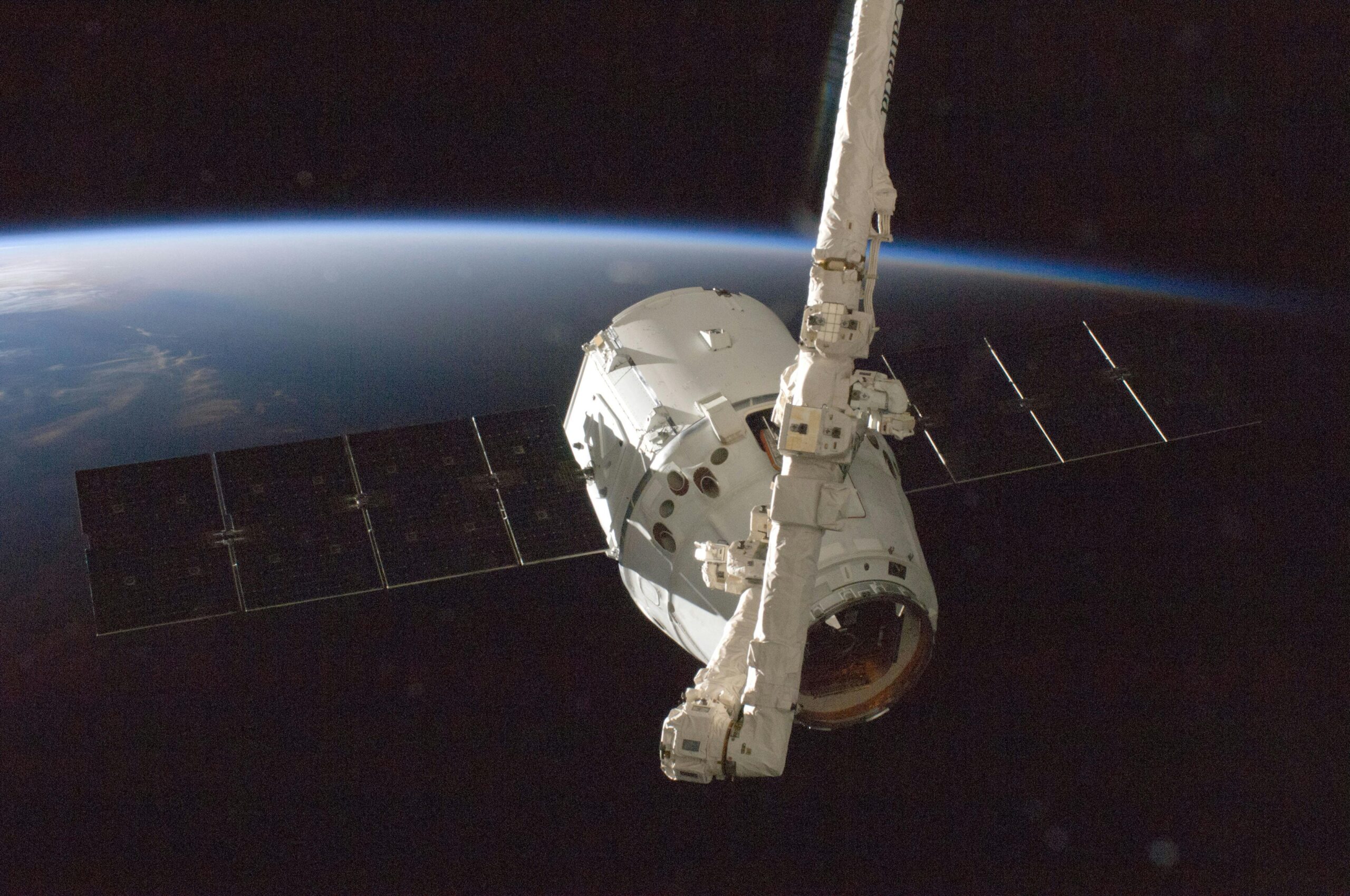
🌟 Transforming Humanity’s Relationship with Space
Perhaps the most profound impact of space tourism extends beyond economics to human consciousness. When ordinary people experience the Overview Effect—viewing Earth from space as a unified, fragile sphere without visible borders—perspectives shift fundamentally.
Astronauts consistently report that seeing Earth from space transforms their worldview, fostering environmental awareness and appreciation for global interconnectedness. As more individuals access this perspective through space tourism, these consciousness shifts could influence society broadly.
The emerging orbital economy represents more than business opportunity; it marks humanity’s transition to a spacefaring civilization. What begins with tourists visiting orbital hotels may eventually lead to permanent space settlements, resource utilization throughout the solar system, and human expansion beyond Earth.
The journey has just begun. As technology advances, costs decline, and infrastructure develops, space will transition from exclusive destination to accessible frontier. The orbital economy taking shape today establishes foundations for humanity’s future beyond Earth—a future where space is not merely visited but inhabited, where orbital commerce supports terrestrial economies, and where human potential extends throughout the cosmos.
The challenges remain formidable: technical hurdles, economic uncertainties, regulatory complexities, and environmental considerations all require ongoing attention. Yet the momentum is undeniable. Private investment, technological progress, and human ambition converge to make space tourism and the orbital economy not distant fantasies but emerging realities reshaping our relationship with the final frontier.